Multi-source positioning
Devices combine satellite positioning with cellular and Wi-Fi location data. When a client goes indoors, into a parking structure, or anywhere satellite signal degrades, positioning continues from the other sources rather than simply dropping out.
On-board storage
Location data is written to the device itself, not only to the network. If cellular coverage is lost, the record continues and uploads once the device reconnects — so a coverage gap does not become a hole in the compliance history.
Tamper and interference detection
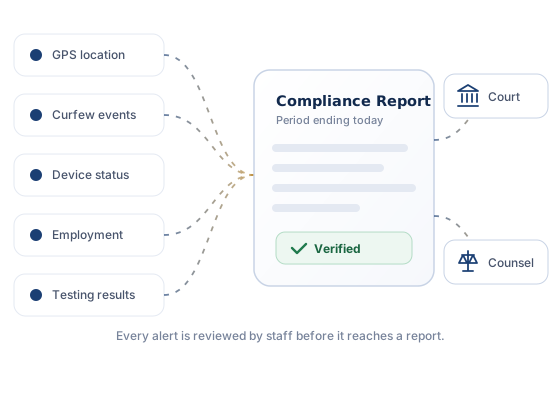
Strap integrity, case tamper, signal jamming, and unexpected power loss are all detected and time-stamped. Each alert is reviewed by a person before it is treated as a violation.
Zones and mapping
Inclusion zones for home, work, school and treatment; exclusion zones for addresses the order keeps a client away from. Historical movement can be replayed on a map and exported for a hearing.
Two-way contact
Staff can reach a client through the device to resolve an issue before it escalates. A great many apparent violations turn out to be a dead battery or a schedule misunderstanding, and a phone call settles it.
Configured per order
Alert thresholds, notification routing, curfew windows and reporting frequency are set to what the court actually ordered. Agencies with their own protocols can have those mirrored rather than working around a fixed template.